
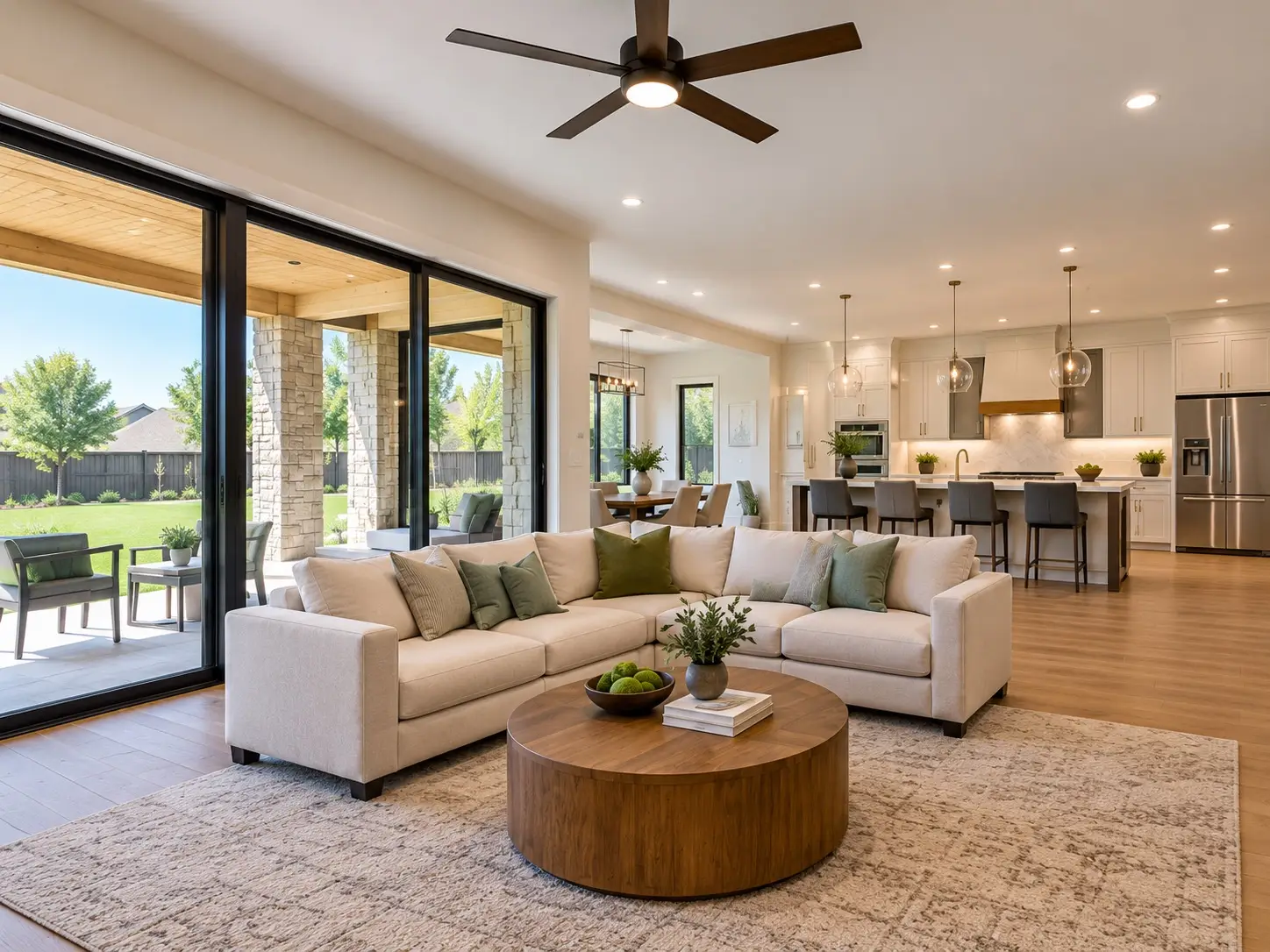
Make Your Home More Comfortable While Reducing Wasted Energy
Energy-efficient home remodeling is about more than lowering utility bills. The best upgrades can also make a home feel more comfortable, reduce drafts and hot spots, improve indoor performance, and help older homes function more like newer ones.
That is especially important in Collin County, where long, hot summers can put a heavy demand on air conditioning systems.
For homeowners in Plano, Frisco, Allen, McKinney, Prosper, and surrounding Collin County communities, energy efficiency is often most effective when it is considered as part of a larger remodeling plan instead of treated as a separate project.
If walls are already being opened, windows replaced, lighting updated, or a kitchen or bathroom remodeled, that may be the ideal time to address insulation gaps, air leakage, inefficient lighting, outdated windows, or other issues that affect comfort and energy use.
At Doug Stewart Remodeling, the goal is to help homeowners make improvements that work together—creating homes that are more comfortable, functional, durable, and efficient for everyday life.
Why Energy Efficiency Matters in North Texas Homes
North Texas homes experience demanding weather conditions.
During much of the year, homeowners are trying to keep heat outside while keeping conditioned air inside. Older windows, insufficient insulation, air leaks, poorly sealed ductwork, and outdated lighting can all make that job harder.
Energy efficiency problems may show up as:
- Rooms that stay warmer or cooler than the rest of the house
- High summer utility bills
- Drafts around windows and doors
- An HVAC system that seems to run constantly
- Hot upstairs rooms
- Uneven temperatures from one room to another
- Excess heat entering through large windows
- Older lighting that produces unnecessary heat
- Difficulty maintaining a comfortable indoor temperature
An energy-efficient remodeling plan looks at the home as a system rather than focusing on one product at a time.
That distinction matters. A new window may improve one area, but the best results often come from addressing several sources of heat gain, air leakage, and energy loss together.
Start With Air Sealing and Insulation
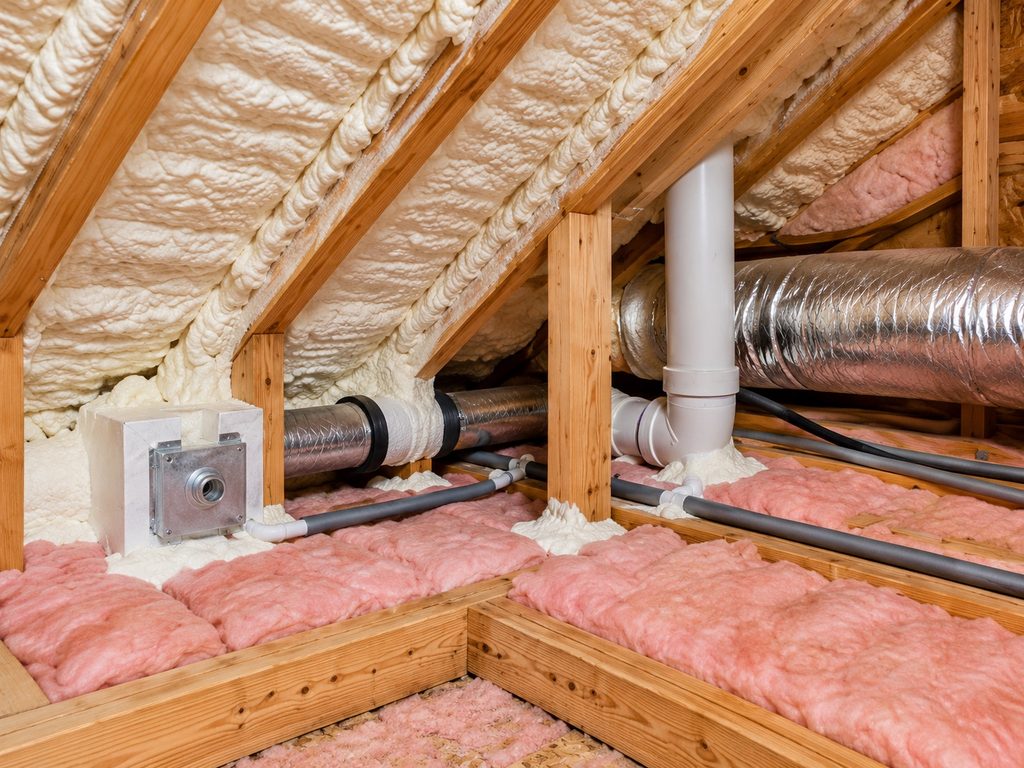
Some of the least visible remodeling improvements can have the biggest effect on comfort.
Air can leak through gaps around plumbing penetrations, recessed lighting, wall openings, window and door frames, attic access points, and other areas where different building materials meet.
During a renovation, homeowners may have access to spaces that are normally hidden behind drywall or trim. That creates an opportunity to seal gaps and improve insulation before everything is closed back up.
Potential improvements include:
- Sealing gaps around windows and doors
- Sealing penetrations around plumbing and wiring
- Improving attic insulation
- Adding insulation to accessible exterior walls
- Sealing around recessed fixtures and registers
- Improving insulation near additions or converted spaces
- Addressing air leakage where framing systems meet
The U.S. Department of Energy identifies air sealing and insulation as important parts of improving a home’s thermal envelope. For homeowners, the practical benefit is simple: conditioned air stays where it belongs more effectively.
Consider Energy-Efficient Windows During Remodeling
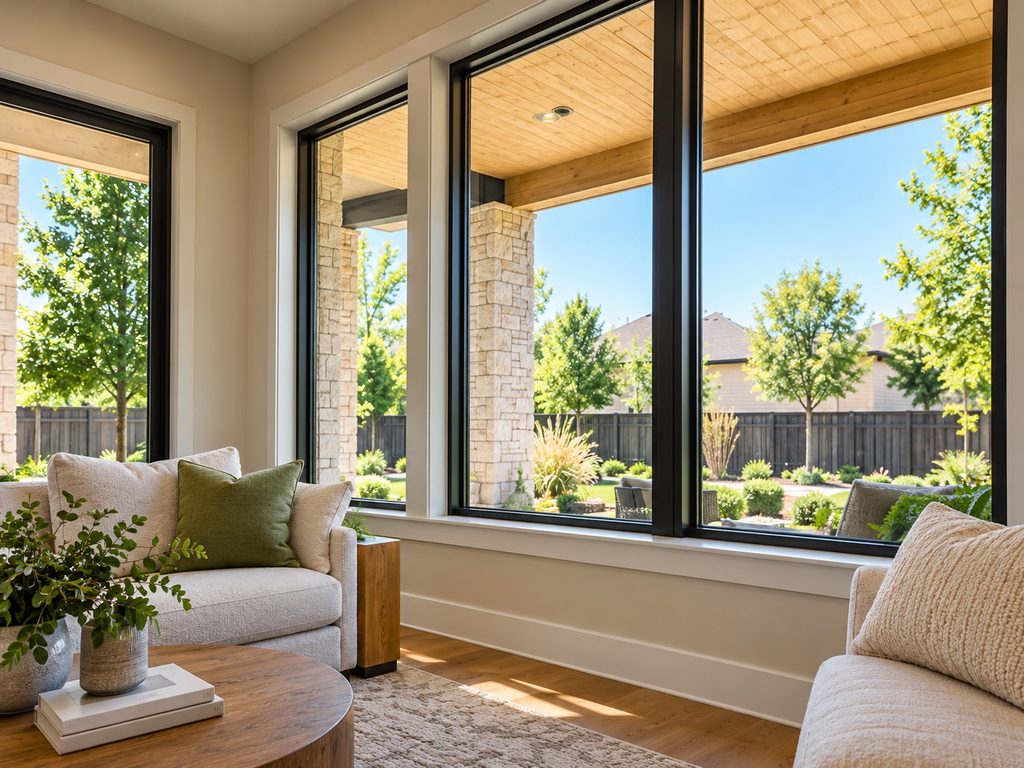
Windows affect both appearance and comfort, particularly in rooms with significant sun exposure.
In a warm climate, window performance is not only about keeping cold air out during winter. It is also about limiting unwanted solar heat during hot North Texas afternoons.
When windows are due for replacement, homeowners should look beyond the frame color and style.
Important considerations can include:
- Energy performance appropriate for the local climate
- Low-emissivity glass coatings
- Solar heat gain performance
- Air leakage
- Proper installation and sealing
- Window orientation
- Shading from porches, overhangs, or landscaping
ENERGY STAR recommends selecting windows based on climate. In hot, sunny conditions, lower solar heat gain can help reduce the amount of unwanted heat entering the home.
That can be particularly useful in west-facing rooms that receive intense afternoon sun.
A window upgrade also needs proper installation. Even a high-performance window can underperform if air leaks around the frame.
Upgrade Lighting as Part of the Remodel
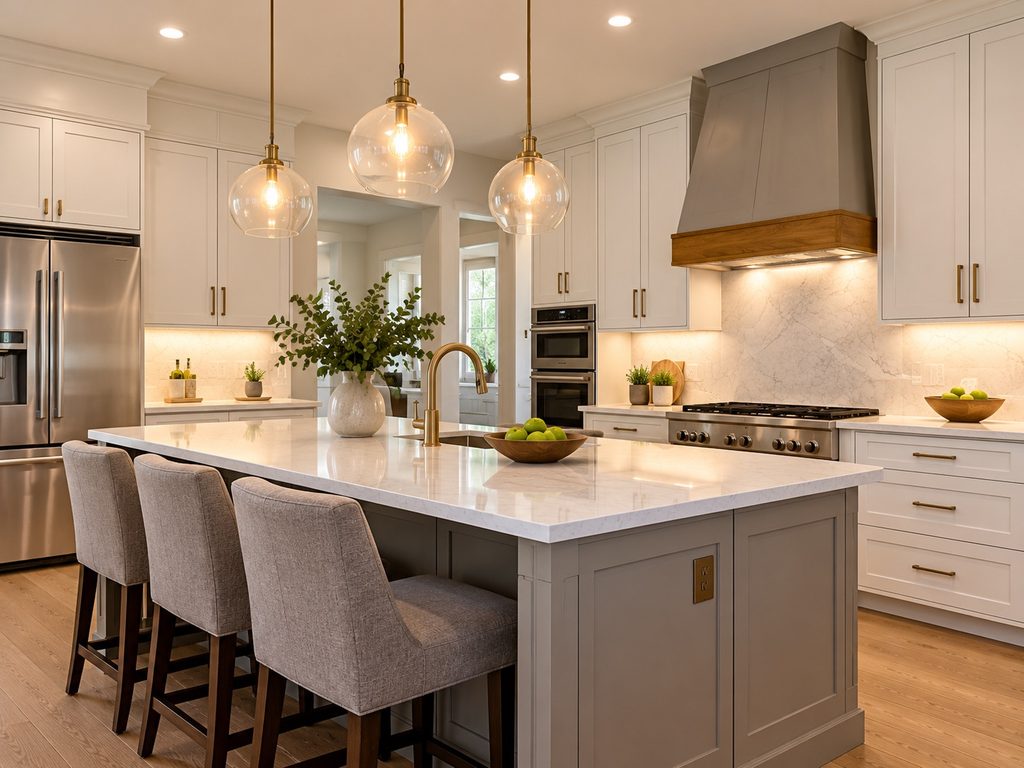
Lighting is an easy area to overlook when planning energy efficiency.
Older homes may still have outdated fixtures, inefficient bulbs, poorly placed lighting, or rooms that require too many fixtures because the lighting design was not planned well.
A remodel provides an opportunity to improve both the efficiency and usefulness of the lighting.
Consider:
- LED recessed lighting
- Under-cabinet kitchen lighting
- Task lighting at bathroom vanities
- Dimmer controls
- Occupancy or vacancy sensors where appropriate
- Better fixture placement
- More effective use of natural daylight
- Layered lighting instead of relying on one large fixture
The goal is not simply to use less electricity. Better lighting design can also make kitchens safer to work in, bathrooms easier to use, and living spaces more comfortable.
Well-planned LED lighting can provide strong illumination while using less energy and generating less heat than older lighting technologies.
Make Heating and Cooling Controls Smarter
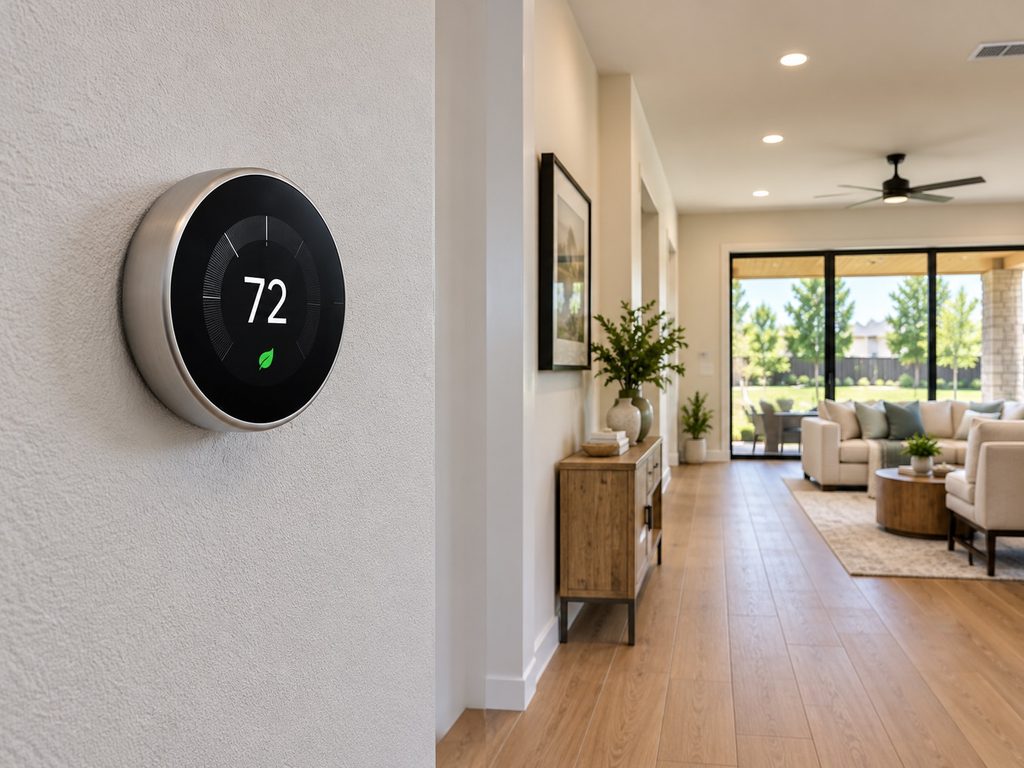
Heating and cooling can represent a large share of household energy use, making temperature control an important part of an efficient home.
A smart thermostat can help homeowners manage heating and cooling schedules more precisely.
Depending on the model, features may include:
- Automatic scheduling
- Remote temperature control
- Vacation settings
- Energy-use reporting
- Temperature adjustments when the home is unoccupied
- Learning features that adapt to household routines
A thermostat cannot correct an undersized HVAC system, poor insulation, or leaking ductwork, but it can help a properly functioning system operate more efficiently.
During a larger remodel, it can also be a good time to think about thermostat location. A thermostat placed near a sunny window, exterior door, kitchen, or other source of unusual heat may not accurately represent conditions throughout the house.
Pay Attention to Ductwork and Airflow
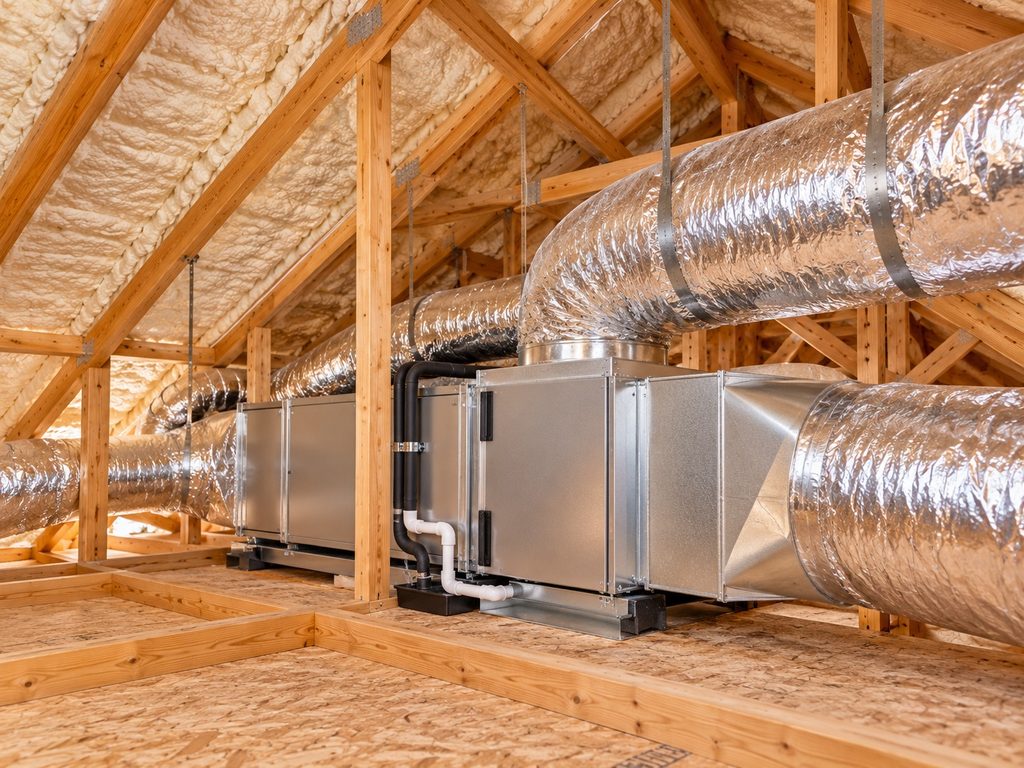
A beautiful renovation can still feel uncomfortable if conditioned air is not reaching the right places.
This is especially important when walls are moved, rooms are combined, ceilings are changed, or additions are created.
The original heating and cooling layout may have been designed for the previous floor plan.
During remodeling, consider whether:
- Supply registers are properly located
- Return-air pathways are adequate
- Ducts are sealed
- Ducts running through hot attic spaces are properly insulated
- New rooms have adequate airflow
- Existing rooms have persistent temperature problems
ENERGY STAR notes that sealing and insulating ductwork can significantly improve heating and cooling efficiency.
For homeowners, this can translate into more even room temperatures and less conditioned air being lost before it reaches the living space.
HVAC design and mechanical work should be evaluated and completed by appropriately qualified professionals when required, but a remodeling contractor can help coordinate these needs as part of the overall project.
Choose Efficient Fixtures and Appliances When They Fit the Project
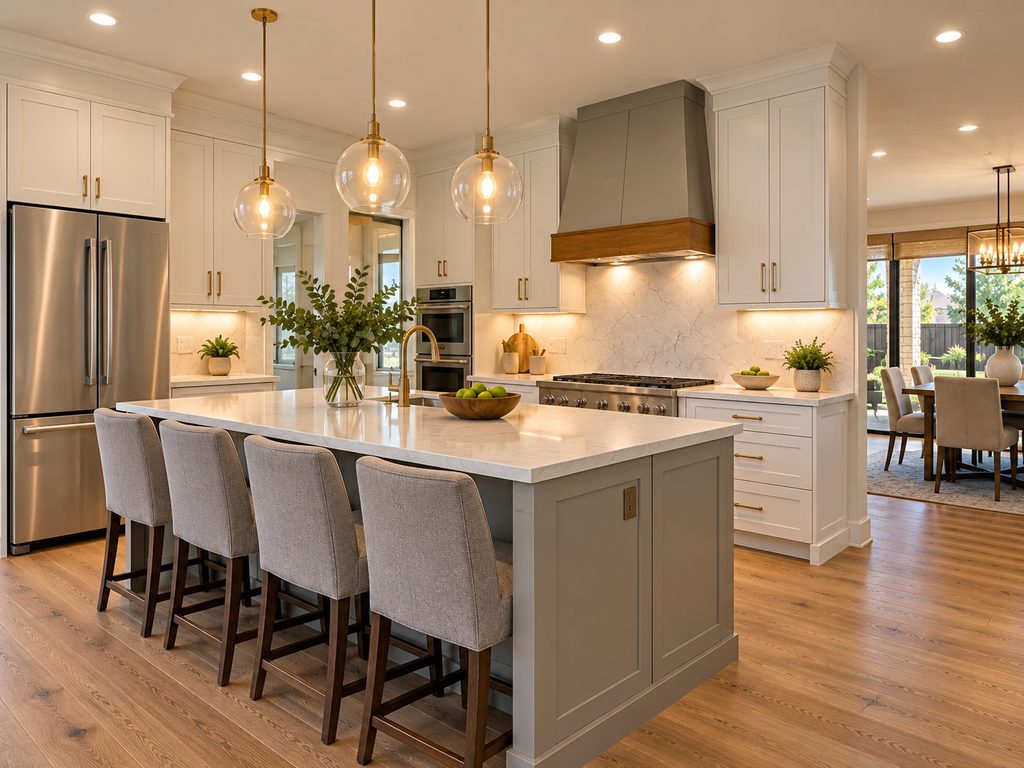
Kitchen and bathroom remodels often involve replacing appliances or equipment.
When replacement is already part of the project, energy efficiency can be one of the factors used to compare options.
Examples may include:
- ENERGY STAR kitchen appliances
- Efficient exhaust fans
- Heat pump water heaters where appropriate
- Efficient lighting
- Water-saving plumbing fixtures
- Induction or other efficient cooking options when they fit the homeowner’s needs
The best choice is not always the product with the longest list of features.
Homeowners should consider purchase price, operating cost, installation requirements, available space, expected lifespan, and how the product will actually be used.
Use Remodeling to Improve Natural Light Without Adding Excess Heat
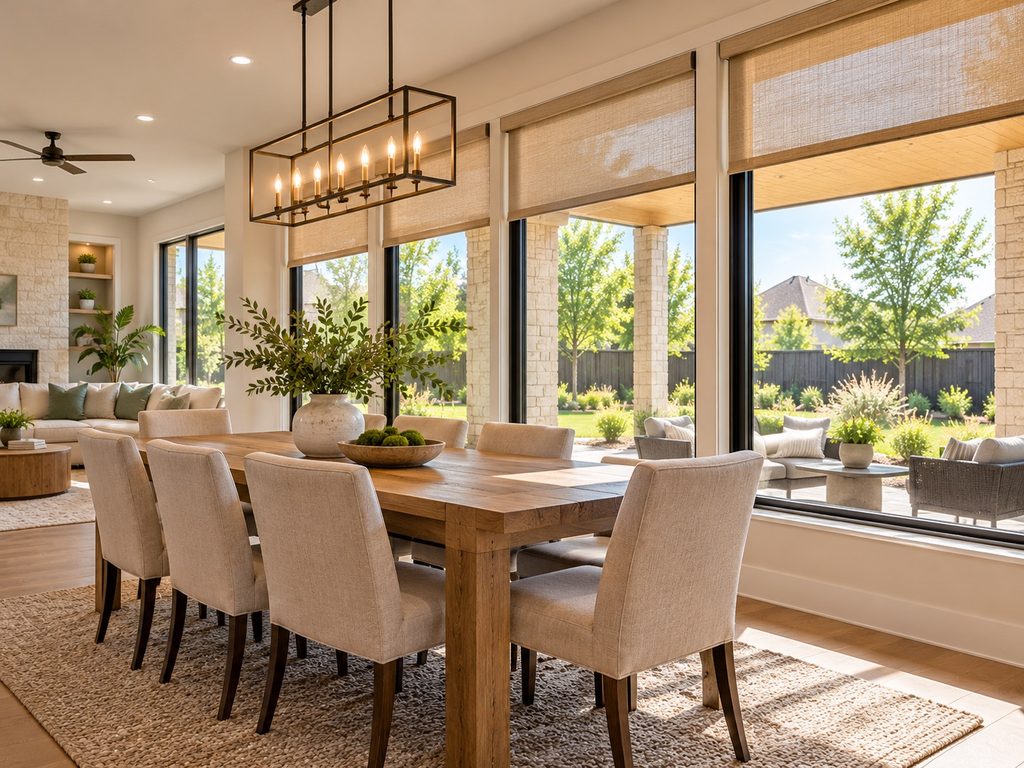
Natural light can make a home feel larger and more welcoming, but more glass is not automatically better in North Texas.
Large windows can introduce unwanted heat if their location and performance are not considered carefully.
A thoughtful remodeling design can balance daylight and comfort by considering:
- Window orientation
- Glass performance
- Exterior overhangs
- Covered patios
- Interior shades
- Room layout
- Skylight placement
- Reflective interior surfaces
The goal is to bring daylight into the house without creating rooms that become uncomfortable in the afternoon.
In many cases, thoughtful placement is more important than simply increasing window size.
Think About Efficiency When Changing the Floor Plan
Energy efficiency should also be part of larger layout decisions.
Removing walls and creating large open spaces can improve flow, but it may also change how heating and cooling systems serve the home.
Similarly, converting an attic, garage, formal room, or enclosed patio into conditioned living space requires more than adding drywall and flooring.
A comfortable conversion may require evaluating:
- Insulation
- Air sealing
- Windows
- HVAC capacity
- Duct layout
- Moisture control
- Ventilation
- Lighting
- Exterior wall construction
This is one reason experienced remodeling planning matters.
A renovation should not only look finished. The space should perform correctly after the work is complete.
Which Energy-Efficient Upgrades Make the Most Sense?
There is no single list that is right for every house.
A newer home in Prosper may have very different needs from an older home in Plano or Allen.
Before choosing upgrades, consider:
- Where does the house feel uncomfortable?
- Which rooms receive the most direct sun?
- Are there noticeable drafts?
- Is the attic properly insulated?
- Are windows already due for replacement?
- Is the floor plan being changed?
- Will walls or ceilings already be opened during the renovation?
- Are lighting fixtures being replaced anyway?
- Are major appliances reaching the end of their useful life?
- Which improvements provide benefits beyond energy savings?
That last question is important.
A well-chosen efficiency upgrade may improve comfort, noise control, durability, lighting quality, resale appeal, or everyday convenience in addition to reducing energy use.
How Can Energy-Efficient Remodeling Add Home Value?
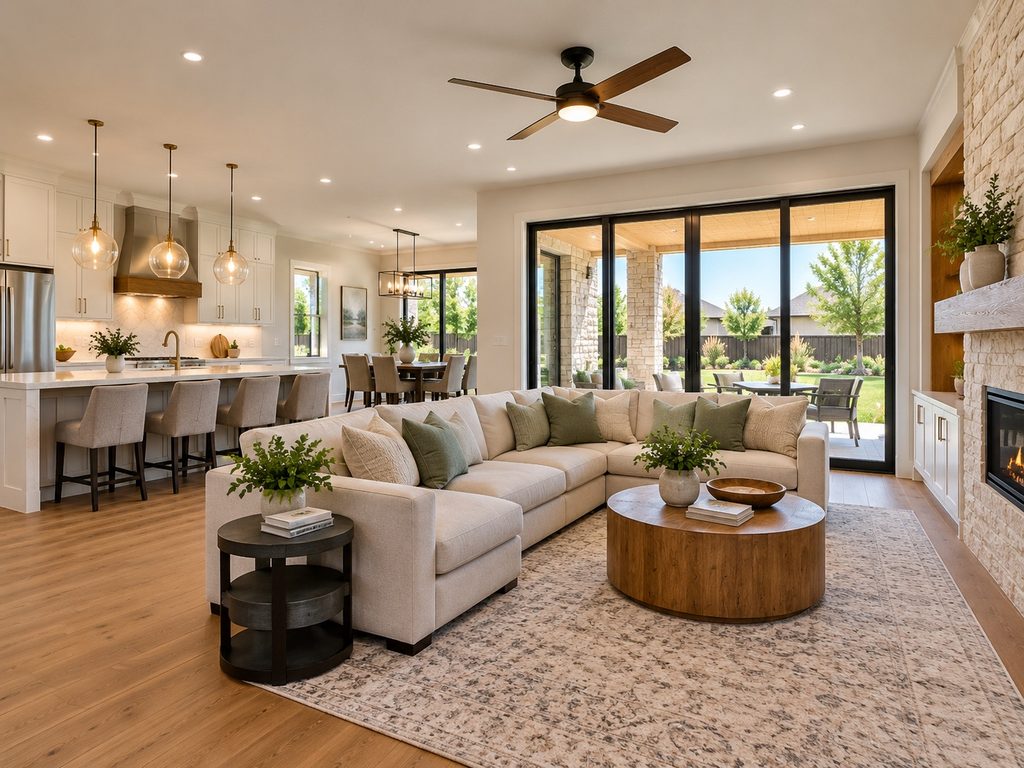
Homebuyers increasingly pay attention to the operating costs and condition of a home.
Features such as updated windows, improved insulation, modern lighting, comfortable room temperatures, and well-maintained mechanical systems can help a home feel more current and better cared for.
However, energy-efficient remodeling should not be approached as a guaranteed dollar-for-dollar return.
Value depends on the home, neighborhood, project cost, quality of installation, and the needs of future buyers.
The strongest remodeling decisions usually improve the homeowner’s experience today while also making the property more attractive for the future.
Why Experience Matters With Energy-Efficient Remodeling
Energy efficiency is not simply about buying products labeled efficient.
How those products are installed—and how different parts of the home work together—can matter just as much.
Doug Stewart has worked in the residential construction industry since 1986, bringing decades of experience to decisions involving home layouts, materials, construction methods, and long-term durability.
That experience is valuable when a project involves more than cosmetic updates.
An experienced remodeler can help identify opportunities that are easier to address while walls, ceilings, floors, or cabinetry are already being changed.
That can help homeowners avoid completing a beautiful renovation and then realizing later that an important performance issue was overlooked.
Frequently Asked Questions About Energy-Efficient Home Remodeling
What is the best energy-efficient upgrade for a North Texas home?
It depends on the house. Air sealing, insulation, efficient windows, duct improvements, smart temperature controls, and LED lighting can all be valuable. The best starting point is identifying where the home is losing comfort or wasting energy.
Should I replace all of my windows to improve energy efficiency?
Not necessarily. Window replacement makes the most sense when windows are damaged, drafty, inefficient, or already scheduled for replacement. Air sealing and insulation may provide better value in some homes.
Can insulation make my home more comfortable in summer?
Yes. Insulation helps reduce heat transfer between the exterior and conditioned living space, which can be especially helpful during North Texas summers.
Are smart thermostats worth installing?
They can be useful for households that want better scheduling, remote control, or automatic temperature adjustments. They work best when the home’s HVAC system and building envelope are already functioning properly.
Should energy improvements be completed before or during remodeling?
Whenever possible, coordinate them with the remodel. Opening walls, ceilings, or exterior areas can create opportunities to improve insulation, sealing, wiring, lighting, and other components more efficiently.
Does Doug Stewart Remodeling serve my area?
Doug Stewart Remodeling serves Collin County, including communities such as Plano, Frisco, Allen, McKinney, Prosper, and surrounding areas.
Remodel for Comfort, Efficiency, and Long-Term Use
The most successful energy-efficient remodeling projects do not chase every new product or technology.
They focus on the parts of the home that matter most: the building envelope, windows, lighting, airflow, layout, and systems homeowners rely on every day.
For a Collin County homeowner, that can mean a cooler upstairs bedroom, fewer drafts, better lighting, more consistent room temperatures, and a home that simply feels easier to live in.
Doug Stewart Remodeling helps homeowners throughout Collin County plan practical renovations built around comfort, quality workmanship, and long-term value.
Visit DougStewartRemodeling.com to learn more or request a consultation for your next remodeling project.